

Site Reliability Engineer
Site Reliability Engineer is a vital professional discipline dedicated to designing, developing, and deploying robust digital solutions. Professionals in this field bridge the gap between technical architecture and business objectives, ensuring sy...
Role Overview & Responsibilities
Overview & Role Significance
Site Reliability Engineer is a vital professional discipline dedicated to designing, developing, and deploying robust digital solutions. Professionals in this field bridge the gap between technical architecture and business objectives, ensuring systems are dependable, secure, and user-centric.
In modern industry environments, a Site Reliability Engineer collaborates closely with cross-functional teams including product managers, system architects, and operations specialists. Daily workflows encompass solving complex computational challenges, refining existing codebases or data models, and automating core operational processes.
With the continuous acceleration of global digitization across Technology & Digital Services, skilled practitioners enjoy strong market demand, diverse career progression opportunities, and the ability to contribute directly to mission-critical infrastructure.
What Professionals in this Role Do
A Site Reliability Engineer is primarily responsible for turning specifications and real-world requirements into functional, maintainable, and high-performance solutions. This involves writing structured code, architecting databases or workflows, integrating third-party APIs, and conducting rigorous diagnostic testing.
Beyond hands-on development, practitioners in this role actively investigate production anomalies, monitor system health, optimize execution efficiency, and maintain comprehensive technical documentation to support seamless team collaboration.
Core Responsibilities
- Architect, develop, and maintain responsive web applications
- Design robust RESTful APIs and integrate backend database services
- Collaborate with UI/UX designers to translate wireframes into interactive interfaces
- Conduct code reviews, write automated unit tests, and maintain code quality
- Troubleshoot, debug, and optimize application performance in production
- Deploy services via modern cloud hosting and continuous integration pipelines
Required Technical Competencies & Skill Hierarchy
Tools & Technologies Hub
Career Learning Roadmap
Stage 1 — Understand the Fundamentals
Stage 2 — Build Core Technical Competencies
Stage 3 — Master Industry Tools & Workflow
Stage 4 — Build Real-World Functional Projects
Stage 5 — Develop Your Professional Portfolio
Stage 6 — Advanced Architecture & Optimization
Stage 7 — Career Preparation & Technical Interviews
Recommended Courses for this Track
 FREE AUDIT
 Meta Front-End Developer Professional Certificate
 FREE CERTIFICATE
 Learn Modern JavaScript: From Scratch to Full-Stack
 FREE ACCESS
 How to Build a Scholarship Research MCP Server with Node.js, Express, and MongoDB
 FREE ACCESS
 Border images in CSS: A key focus area for Interop 2023
FREE ACCESS
FREE ACCESS Securing your CDN: Why and how should you use SRI
Curated Learning Paths
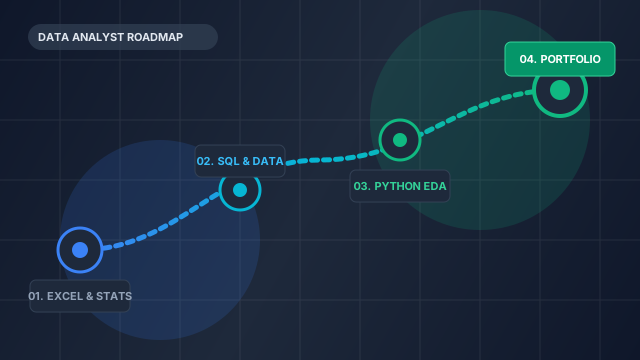
Become a Data Analyst
The complete step-by-step roadmap: Excel -> SQL -> Tableau -> Python -> Projects -> Portfolio.
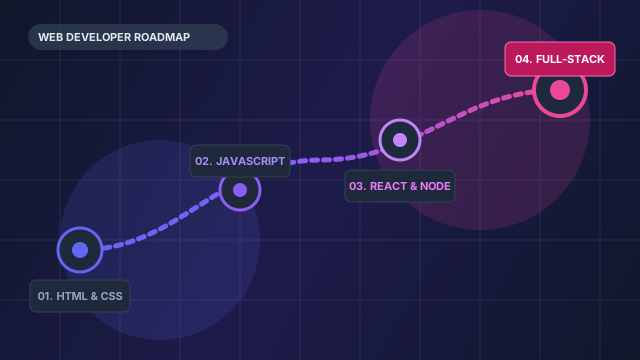
Become a Full-Stack Web Developer
A battle-tested pathway: HTML/CSS -> JavaScript -> Git -> React -> Node.js/APIs -> Deployed Portfolio.
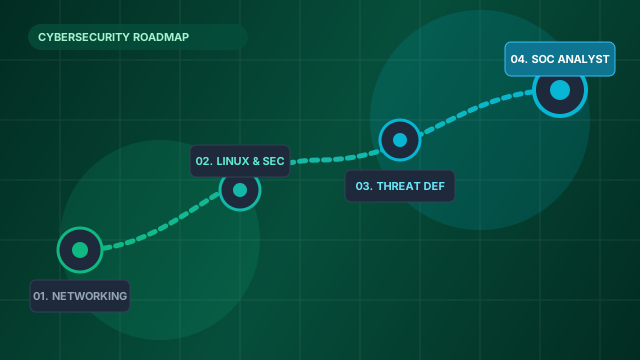
Become a Cybersecurity Analyst
Network Fundamentals -> Linux Command Line -> SIEM Investigation -> Python Automation -> Security+ Certification.
Relevant Industry Certificates
Professional Certificate freeCodeCamp Responsive Web Design Certificate
Professional Certificate Harvard CS50 Verified Certificate of Completion
Related Career Tracks

Data Analyst
Data Analysts translate numbers and metrics into clear actionable business insights.
Frontend Web Developer
Frontend Developers architect and code the user interfaces of modern web applications.
Full-Stack Web Developer
Full-Stack Web Developer is a vital professional discipline dedicated to designing, developing, and deploying robust digital solutions. Professionals in this field bridge the gap between technical architecture and business objectives, ensuring systems are dependable, secure, and user-centric.In modern industry environments, a Full-Stack Web Developer collaborates closely with cross-functional teams including product managers, system architects, and operations specialists. Daily workflows encompass solving complex computational challenges, refining existing codebases or data models, and automating core operational processes.With the continuous acceleration of global digitization across Technology & Digital Services, skilled practitioners enjoy strong market demand, diverse career progression opportunities, and the ability to contribute directly to mission-critical infrastructure.
Frequently Asked Questions
What does a Site Reliability Engineer do on a day-to-day basis? ▾
What are the most critical skills needed for a Site Reliability Engineer? ▾
How long does it take to become job-ready as a Site Reliability Engineer? ▾
Can I learn to become a Site Reliability Engineer using 100% free courses? ▾
What kind of projects should I build for my portfolio? ▾
Do employers require a university degree for this role? ▾
Get Started with Career Track
Get handpicked verified free courses, credential opportunities, and structured learning roadmaps delivered straight to your inbox.